
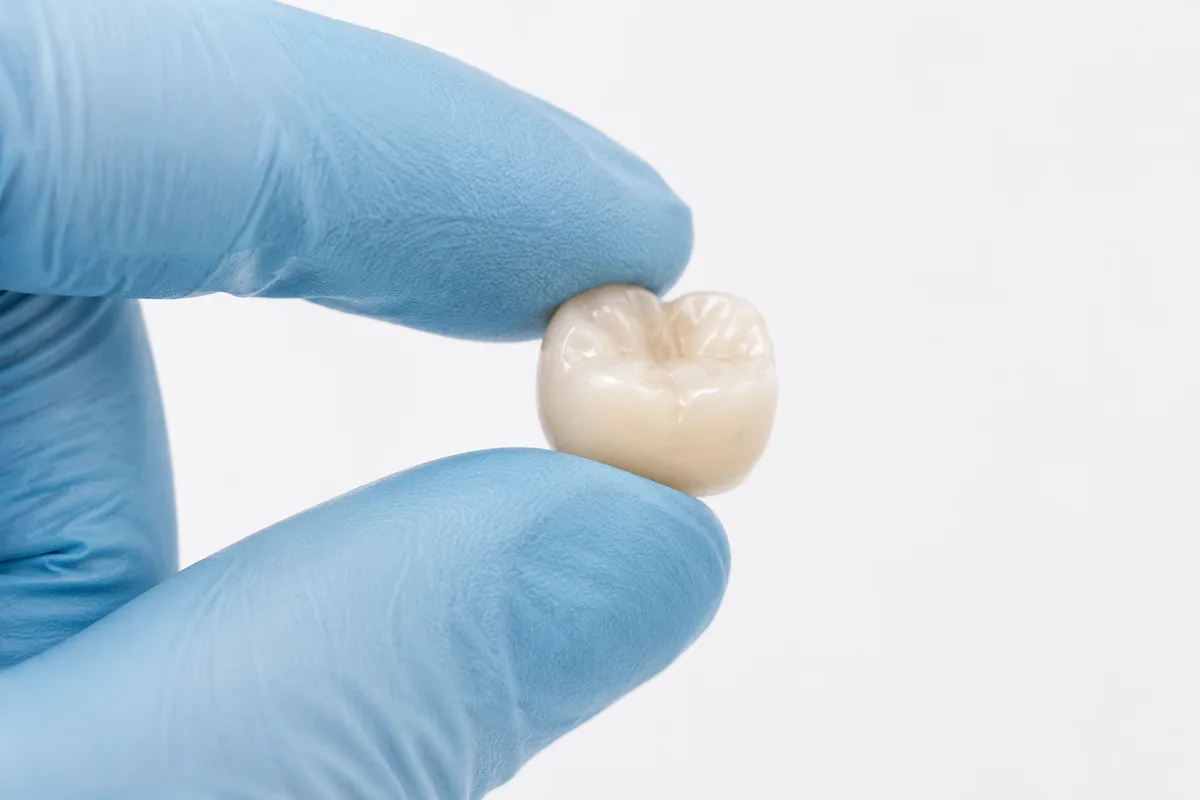
- Most dental crowns last 10–15 years with good oral hygiene and routine dental visits.
- Well-cared-for crowns — especially all-ceramic and zirconia — can last 20+ years.
- The biggest threats to crown longevity: teeth grinding, poor hygiene at the crown margin, sticky foods, and delaying necessary repairs.
- Regular check-ups are the best way to catch crown issues before they become expensive problems.
A dental crown is one of the most common and durable dental restorations — but it's not a permanent solution. Patients ask me this question all the time at our Mobile, AL office, and the honest answer is: it depends significantly on how you care for it. If you've got a crown that's aging, feeling off, or just overdue for a check-up, we're easy to get into — and we'll give you a straight answer on where things stand. Here's what I tell my patients.
Think of a crown like a car. A well-maintained vehicle with regular oil changes and timely repairs can last 200,000 miles. One that's neglected might break down at 80,000. The underlying mechanism is the same; the outcome is determined by the choices made along the way.
What Exactly is a Dental Crown?
A dental crown is a tooth-shaped cap that fits over your existing tooth structure — either a natural tooth that has been damaged, broken, or treated with a root canal, or the post of a dental implant. It restores the tooth's shape, size, strength, and appearance.
Modern crowns are typically made from porcelain fused to metal, all-ceramic (including zirconia), or gold alloy. Each material has different strength and longevity characteristics.
Factors That Affect How Long a Crown Lasts
Material
Gold crowns are among the most durable — they can last 20–30+ years because gold is strong, doesn't chip, and wears at a rate similar to natural tooth enamel. All-ceramic and zirconia crowns offer excellent aesthetics with strong durability — typically 10–20 years. Porcelain-fused-to-metal crowns are durable but may show wear at the gum line as you age and the gum recedes slightly.
Oral Hygiene
The crown itself cannot decay — but the natural tooth underneath it can. Where the crown meets the gum line (the "margin") is the most vulnerable area. Bacteria can work under the crown over time if plaque is allowed to accumulate. Brushing twice daily and flossing daily — including carefully around crown margins — is essential.
Habits and Forces
Grinding your teeth (bruxism) is one of the fastest ways to wear down a crown. The force of grinding can crack or chip ceramic crowns and wear down any material prematurely. If you grind, a nightguard is an important investment to protect your crowns. Similarly, avoid using your teeth as tools, biting fingernails, or chewing on ice.
Fit and Quality of Placement
A crown that fits precisely — with no gap at the margin and a correct bite — will last significantly longer than one that fits poorly. This is one area where the expertise and care of the dentist placing the crown matters considerably.
How to Make Your Crown Last Longer
- Brush twice daily with a soft-bristled brush — pay attention to the gum line around each crown
- Floss daily, including the area under and around each crowned tooth
- Attend regular dental check-ups every 6 months — we examine the margin and check for early signs of failure
- Wear a nightguard if you grind your teeth
- Avoid chewing on very hard foods (hard candies, ice, popcorn kernels) with crowned teeth
- Limit sticky foods that could pull a crown loose over time
When to Replace a Crown
Not every aging crown needs immediate replacement. We assess each crown at your routine visits. Signs that a crown may need replacement include:
- Visible cracks, chips, or fractures in the crown material
- Receding gums exposing the dark metal margin or natural tooth root below the crown edge
- Sensitivity or pain when biting, which may indicate a cracked crown or decay at the margin
- Crown feels loose or shifts slightly
- X-ray evidence of decay under the crown or bone changes around the tooth
- Crown is simply very old — most dentists recommend evaluation of crowns older than 15 years
Learn more about what goes into a well-placed crown — and what to expect at your appointment — on our dental crowns page.
Crown acting up — or just past due for a check? We get patients in fast and we'll tell you exactly what's going on.
FAQ: Dental Crown Lifespan Questions
In rare cases, yes — particularly gold crowns with excellent hygiene and no grinding. Most crowns will need evaluation or replacement in the 15–20 year range. The goal is to maximize their lifespan through good oral hygiene habits and routine dental monitoring.
Many dental insurance plans cover crown replacement after a certain number of years (often 5–7 years per crown). Coverage varies widely by plan. We'll help you check your benefits and understand what you can expect to pay before any treatment begins.
The tooth underneath a crown remains alive (unless it had a root canal) and can still develop decay at the margin — the edge where crown meets tooth. That's why good hygiene at the gum line and routine X-rays are so important. Early margin decay caught at a check-up is far easier and less expensive to address than decay discovered after a crown fails.
Not necessarily. A crown that looks healthy and has clean margins on X-ray can continue to serve you well past 10 years. We evaluate the fit, margin integrity, and condition at each check-up and will let you know if early action is advisable. There's no need to replace a crown preemptively if it's functioning well.

Dr. Joseph Gegzna, DMD is the founder and lead dentist at Rabbit Creek Dental in Mobile, Alabama. He earned his Doctor of Dental Medicine degree from the University of Louisville School of Dentistry and has been a licensed dentist in Alabama since 2014, with more than 12 years of experience in general, restorative, and implant dentistry. After several years practicing as an associate, he founded Rabbit Creek Dental in 2022 to build the kind of patient-first practice he believed in. He has completed advanced implant training through a 92-hour Implant Pathway program with live patient surgery and additional surgical training in impacted third molar extractions through the Koerner Center for Surgical Instruction. He is a member of the American Dental Association and is currently in his third year of the Bulletproof Dental Mastermind program, a continuing education group focused on delivering an exceptional patient experience. Before dentistry, Dr. Gegzna was a licensed pilot, bringing a calm, detail-oriented approach to patient care. Rabbit Creek Dental serves families throughout Mobile.
This article is for educational purposes only and does not constitute medical advice. For personalized guidance about your dental health, please contact our office at (251) 308-0584.