
Tooth-Colored Fillings in Mobile, AL — Natural-Looking Cavity Repair at Rabbit Creek Dental
If you have a cavity in Mobile, AL, Rabbit Creek Dental places tooth-colored composite fillings that blend with your tooth and are done in a single visit. This page covers how fillings work, how long they last, and when a filling is — and isn't — the right fix.
“No pain at all. Dr. G explained every step.”
“Had a filling done today. No pain at all during the procedure. Dr. G explained every step. The numbing process was so gentle I barely felt it. Best dental experience I've had in years.”— Robert D.
When a Filling Is the Right Fix
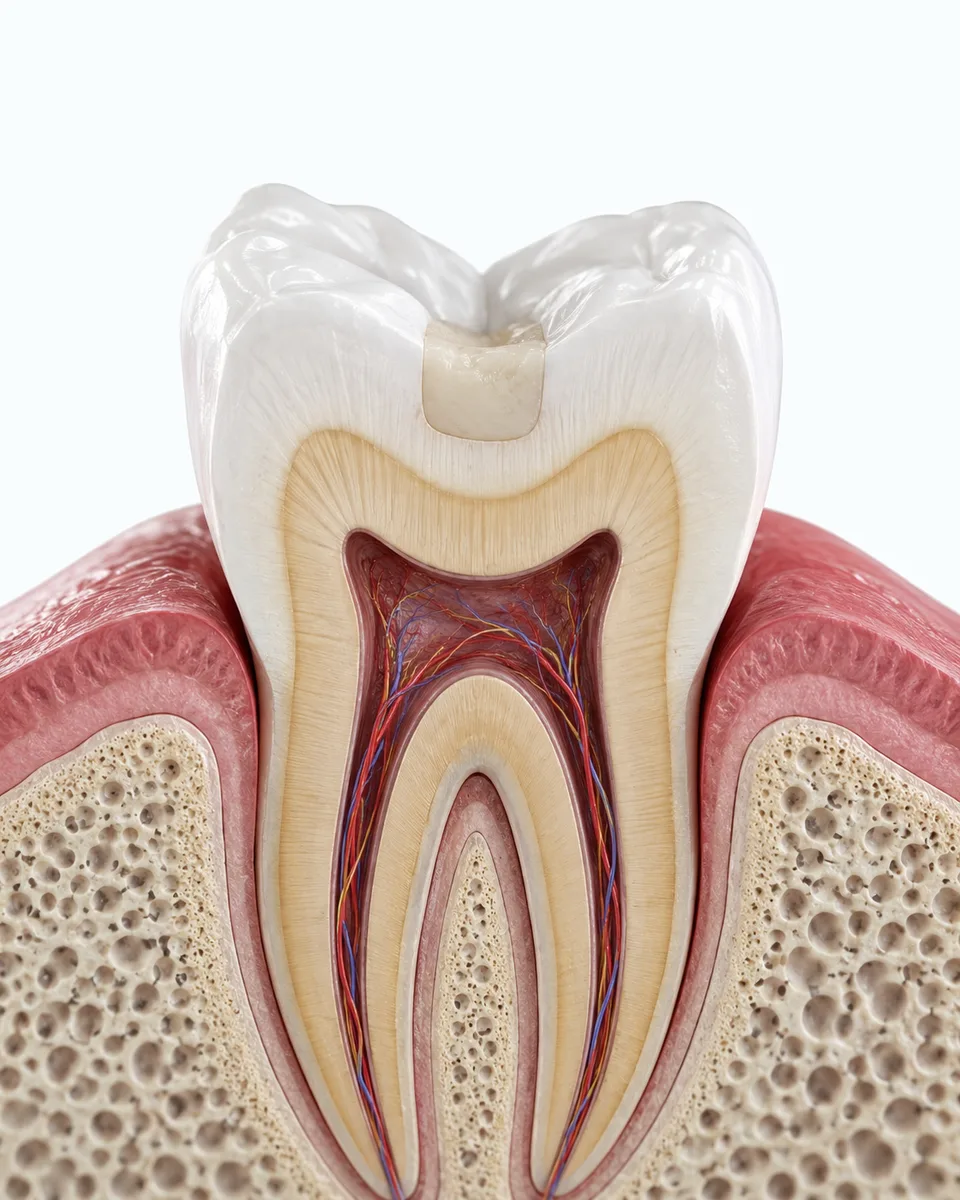
A filling is appropriate when a cavity has damaged part of a tooth but left enough healthy structure intact to support the restoration. The decay is removed, the space is cleaned, and composite resin is bonded directly to the tooth in layers, then hardened with a curing light and shaped to match your bite.
Tooth-colored composite fillings blend naturally with the surrounding tooth. They require less removal of healthy structure than older silver amalgam fillings and bond directly to the tooth rather than just sitting in a prepared hole.
For small to medium cavities, a filling is the right choice. For larger cavities — ones that have destroyed a significant portion of the tooth — a crown is usually the better long-term option.
“Dr. G diagnosed an issue other dentists missed. Pain-free filling same visit.”
“Excellent dental care. Dr. G diagnosed an issue I'd been having for months that other dentists missed. Very thorough exam. Pain-free filling done the same visit. I'm a patient for life!”— George E.
How Long Do Fillings Last?
Composite fillings on back teeth typically last 5–7 years before showing signs of wear, microleakage, or marginal breakdown. Front tooth fillings — especially larger cosmetic ones — can actually fail faster. Composite bonds well to enamel but chips and fractures under direct biting force. Patients who are missing back teeth and doing most of their chewing on the front are particularly at risk, because the front teeth aren't designed to handle that load. A front filling that holds up fine for years can snap off the first time someone bites into a crusty piece of bread.
Several things affect how long a filling lasts:
Size of the Filling
Larger fillings are under more stress and wear faster than smaller ones. A filling that covers most of a back molar's chewing surface will not last as long as a small filling on a front tooth.
Location in the Mouth
Back teeth take the bulk of chewing force. Fillings on molars and premolars wear faster than fillings on front teeth — though large front fillings have their own failure risks.
Grinding and Clenching
Bruxism accelerates wear on fillings significantly. Patients who grind heavily may need fillings replaced more often — and a nightguard helps protect them.
Diet and Habits
Biting ice, chewing hard objects, or frequently consuming acidic foods and drinks all shorten filling lifespan.
Oral Hygiene
Decay can form at the edges of a filling if plaque builds up at the margin. Brushing and flossing consistently protects the filling's seal.
“Had anxiety about my filling. It was completely painless.”
“Had an anxiety about getting my cavity filled but Dr. Shipp was so reassuring and gentle. It was completely painless! The dental assistant was also wonderful. Clean office, friendly staff, quick appointment. Will be back!”— Viola J.
When a Filling Is No Longer Enough
This is the conversation we have most often with patients who have had fillings for many years. A filling that was appropriate several years ago may not be the right restoration today if:
- The filling has cracked, worn, or chipped
- New decay has developed at the margin of the filling
- The filling covers such a large portion of the tooth that the remaining walls are thin and at risk of fracturing
- The tooth has cracked around or beneath the filling
In these situations, a crown is typically the more appropriate restoration. A crown covers the entire tooth, distributing chewing forces evenly and protecting the remaining structure from fracture. Replacing a large worn filling with another large filling is often a short-term fix — the same problems tend to recur.
We'll show you the X-rays and explain exactly what we're seeing before recommending anything.
When a Filling Leads to a Root Canal
This happens more than patients expect, and it's worth being upfront about. Sometimes decay looks contained on an X-ray but when the tooth is opened, the nerve is already exposed or the pulp is inflamed beyond what a filling can address. In that situation, a root canal becomes necessary — not because anything went wrong, but because the decay was deeper than imaging showed.
Similarly, placing a very large filling on a tooth with minimal remaining structure can stress the nerve enough to cause irreversible inflammation over time. The filling is placed successfully, but weeks or months later the tooth becomes painful and a root canal is needed. This isn't a mistake — it's a known biological risk of deep restorations that we discuss with patients before proceeding.
If a cavity is deep and close to the nerve, we'll tell you that upfront. Sometimes the honest answer is: this filling has a reasonable chance of working long-term, and a smaller chance of needing a root canal down the road. You deserve to know that before you decide.
Composite vs. Amalgam — What We Use and Why
We use tooth-colored composite resin for most fillings at Rabbit Creek Dental. In some situations — particularly very large restorations on back teeth where durability is the priority — silver amalgam remains a legitimate option and is available by request. We'll discuss which material makes more sense for your specific situation before starting.
Composite bonds directly to the tooth structure, requires less removal of healthy tooth, and looks natural. The tradeoff is that composite fillings are somewhat less durable than amalgam in high-stress areas — which is one reason large restorations on back teeth are often better served by a crown rather than a large filling of either material.
If you have existing amalgam fillings that are in good condition, there is no clinical reason to replace them simply because they are silver. We'll monitor them at your regular checkups and discuss replacement only if they are failing or causing problems.
What to Expect at Your Filling Appointment

- Examine the decay
- Remove the decay
- Fill the tooth with composite resin
- Polish and check your bite
A straightforward filling appointment takes 30–60 minutes depending on the size and location. The tooth is numbed with local anesthetic before anything begins — you'll feel pressure but not pain.
After the filling is placed and shaped, your bite will be checked carefully. It's normal to feel some sensitivity for a few days after a filling, particularly to cold temperatures — our guide on what to expect after a filling explains why and how long it usually lasts. If sensitivity persists beyond two weeks or your bite feels off, call us — it may need a minor adjustment.
This content is for educational purposes only. Please consult with a dental provider for guidance specific to your situation.
“Had multiple fillings in one visit. Pain-free the entire time.”
“Had multiple fillings done in one visit. Was a little nervous but Dr. Gegzna was so reassuring. Pain-free the entire time. Staff checked on me throughout the procedure. Outstanding care!”— Joseph K.
“They explained everything that was going to happen before it did.”
“They did very good on my teeth. I will definitely be going back. They explained everything that was going to happen before it did. Highly recommend them.”— Allison G.
Learn More About Fillings
What to expect after your filling and how to know when a filling is the right fix.
Frequently Asked Questions About Tooth-Colored Fillings
The tooth is numbed before we start. Most patients feel pressure during the procedure but not pain. Some post-procedure sensitivity is normal and typically resolves within a few days.
It depends on how much healthy tooth structure remains and how close the decay is to the nerve. Small to medium cavities away from the nerve are good candidates for fillings. Large cavities, cracked teeth, or teeth with failing large fillings are usually better served by a crown. And sometimes what looks like a straightforward filling on an X-ray turns out to be deeper once the tooth is opened — if the nerve is exposed, a root canal becomes part of the conversation. We'll show you what we're seeing and explain the options before recommending anything. Still unsure? Read our full guide: Filling vs. Crown — How to Know Which One You Need.
Yes, though it's not common. Fillings can debond or fracture, particularly older or larger ones. Front tooth fillings are especially vulnerable to chipping under direct biting force. If a filling feels loose, rough, or comes out, call us — leaving a tooth unprotected accelerates decay.
Eventually, yes. Composite fillings on back teeth typically last 5–7 years before wear or marginal breakdown starts. Front tooth fillings, especially larger ones, can fail sooner — they're more vulnerable to chipping and fracture under direct biting force. At your regular checkups we examine all existing fillings for early signs of failure so problems are caught before they become bigger ones.
For small to medium fillings, composite performs comparably. For very large restorations on high-stress back teeth, amalgam has historically been considered more durable — which is one reason very large cavities are often better restored with a crown rather than a large filling of either material. Amalgam is available by request at our practice.
Most plans cover composite fillings on front teeth. Coverage on back teeth varies — some plans cover composite at the same rate as amalgam, others only cover the amalgam cost and bill you the difference. We verify your benefits before treatment so you know what to expect.
Possibly, if the decay was deep. Sometimes imaging doesn't show the full picture until the tooth is opened. If a cavity is close to the nerve we'll tell you that before starting — and explain the realistic chance that a root canal may be needed down the road even if the filling goes well initially.
“He talked me through every step. Best dental experience ever.”
“Had fillings done by Dr. G and was amazed at how painless the experience was. He talked me through every step. Staff was attentive and checked on my comfort throughout. Best dental experience ever!”— Steven R.
“Worried going in. Patient, precise, and pain-free.”
“Had my first filling in years and was worried. Dr. Shipp was excellent — patient, precise, and pain-free procedure. Staff were attentive throughout. Check out was smooth with clear billing explanation. Very satisfied!”— Edmund W.
Have a Cavity That Needs Attention?
Come in and let us take a look. We'll tell you exactly what the tooth needs and what to expect before we start.