
Children's Dentistry in Mobile, AL
This is Rabbit Creek Dental's children's dentistry page — for parents in Mobile, AL looking for a dentist their kids will actually be okay with. Dr. Gegzna and Dr. Shipp see patients of every age, from a baby's first tooth all the way through the teen years. Cleanings, fluoride, sealants, cavity treatment — all of it, for your whole family, in one place on Rangeline Road in Tillman's Corner.
“My son was treated with such care. Dr. G was awesome — I’d recommend to anyone!”
“Very friendly staff. My son was treated with care. Dr. G was awesome. I’d recommend to anyone! Thank you for treating him!”— Jamie
“Brought my nervous teenager. She's no longer scared of the dentist.”
“Brought my nervous teenager for her first cleaning here. Dr. Shipp was gentle and explained everything to her directly, not just to me. She's no longer scared of the dentist!”— Evelyn F.
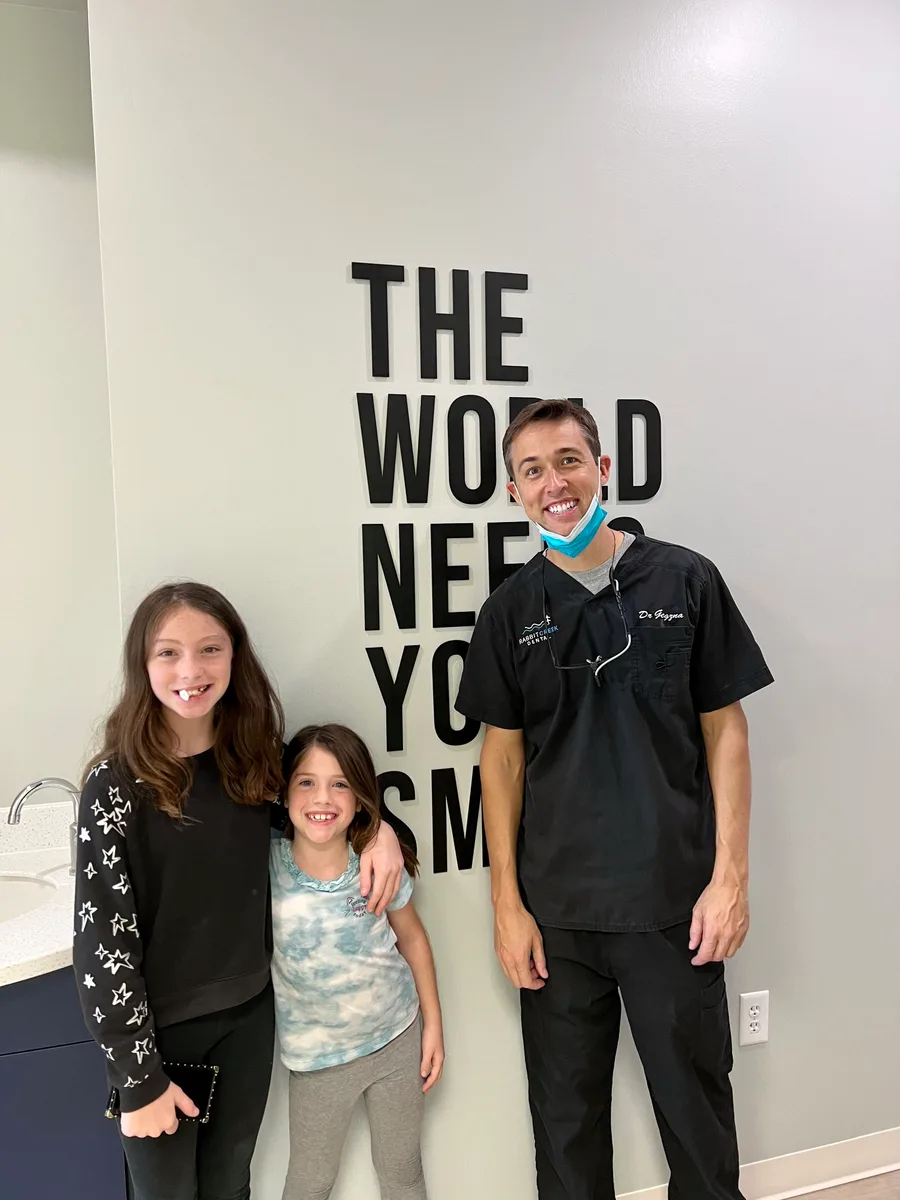
Dental Care for Kids and Families
Kids need cleanings, exams, fluoride, and the occasional filling — and so do you. We handle all of it in one place, so you're not managing two different dental relationships for your family. Dr. Gegzna and Dr. Shipp have years of experience making kids comfortable, and they genuinely enjoy it.
First Dental Visits
We recommend bringing your child in by age one, or within six months of their first tooth. First visits are gentle and low-key — a quick look at how the teeth are coming in, a conversation about home care, and a chance for your child to meet the team in a relaxed, no-pressure setting.
Cleanings & Exams
Routine cleanings for children remove buildup, polish little teeth, and give us a chance to check for any early signs of decay or developmental concerns. We tailor the pace and approach to your child's age and comfort level.
Fluoride Treatments
Fluoride helps strengthen developing tooth enamel and makes teeth more resistant to decay. A quick fluoride varnish application at each cleaning is one of the simplest and most effective things we can do to protect your child's smile.
Dental Sealants
The grooves on the chewing surfaces of back teeth are prime spots for cavities to develop in children. Sealants are a thin protective coating that fills those grooves and dramatically reduces the risk of decay — a simple, painless preventive treatment we typically recommend as permanent molars come in.
Cavity Treatment
If your child does develop a cavity, we treat it quickly and comfortably. For baby teeth, we use tooth-colored filling materials, and for the right cases we offer silver diamine fluoride — a no-drill, no-anesthesia way to stop a cavity that's especially kid-friendly. We keep kids informed throughout the process in age-appropriate language, so nothing comes as a surprise.
Sports Mouthguards
Custom-fitted mouthguards provide far better protection than store-bought options — and kids are more likely to actually wear them when they fit well. If your child plays contact sports, we can make a guard that fits their teeth precisely.
“My daughter begged to switch. She said her teeth have never felt so clean.”
“Brought my teenager here. She has been going to a pediatric dentist since she was 18 months old — needless to say she LOVED this office and begged to switch. She said her teeth have never felt so clean!”— Autumn W.
“My kids and I all come here. Every visit is excellent.”
“My kids and I all come here. Every visit is excellent. Dr. Shipp is great with children and adults alike. Shannon is my hygienist and she's wonderful. Short wait times and very clear communication about costs.”— Isabella P.
When Should My Child First See a Dentist?
The American Academy of Pediatric Dentistry recommends a child's first dental visit by their first birthday, or within six months of their first tooth appearing — whichever comes first. We know that can feel early, but first visits aren't about extensive treatment. They're about:
- Checking that teeth are coming in normally
- Catching early tooth decay (yes, even baby teeth get cavities)
- Showing parents the right way to clean baby teeth and gums
- Letting your child get comfortable with the dental environment before anxiety has a chance to set in
- Answering your questions about teething, thumb-sucking, pacifiers, and more
Children who start dental visits early tend to have significantly less dental anxiety as they grow — and better oral health outcomes. Starting at age one is one of the best gifts you can give your child's future smile.
Making Your Child's First Visit a Positive One
A little preparation at home goes a long way. Here are a few things our team recommends:
Talk about it positively
Avoid words like "hurt," "shot," or "scary." Instead, frame it as an adventure — "the dentist is going to count your teeth and give them a shine!"
Bring them to your appointment first
If possible, let your child watch your cleaning appointment before their own. Seeing a parent relax in the chair does more than any pep talk.
Read books about the dentist
There are wonderful children's books that introduce the dental visit in a fun, friendly way. Familiar stories help children know what to expect.
Follow their lead on the day
Some kids jump right in; others need more time to warm up. We'll match your child's pace — never rushing or pressuring.
What It Actually Looks Like
Kids who feel comfortable at the dentist grow into adults who keep going. Most of our young patients settle in faster than their parents expect.
-
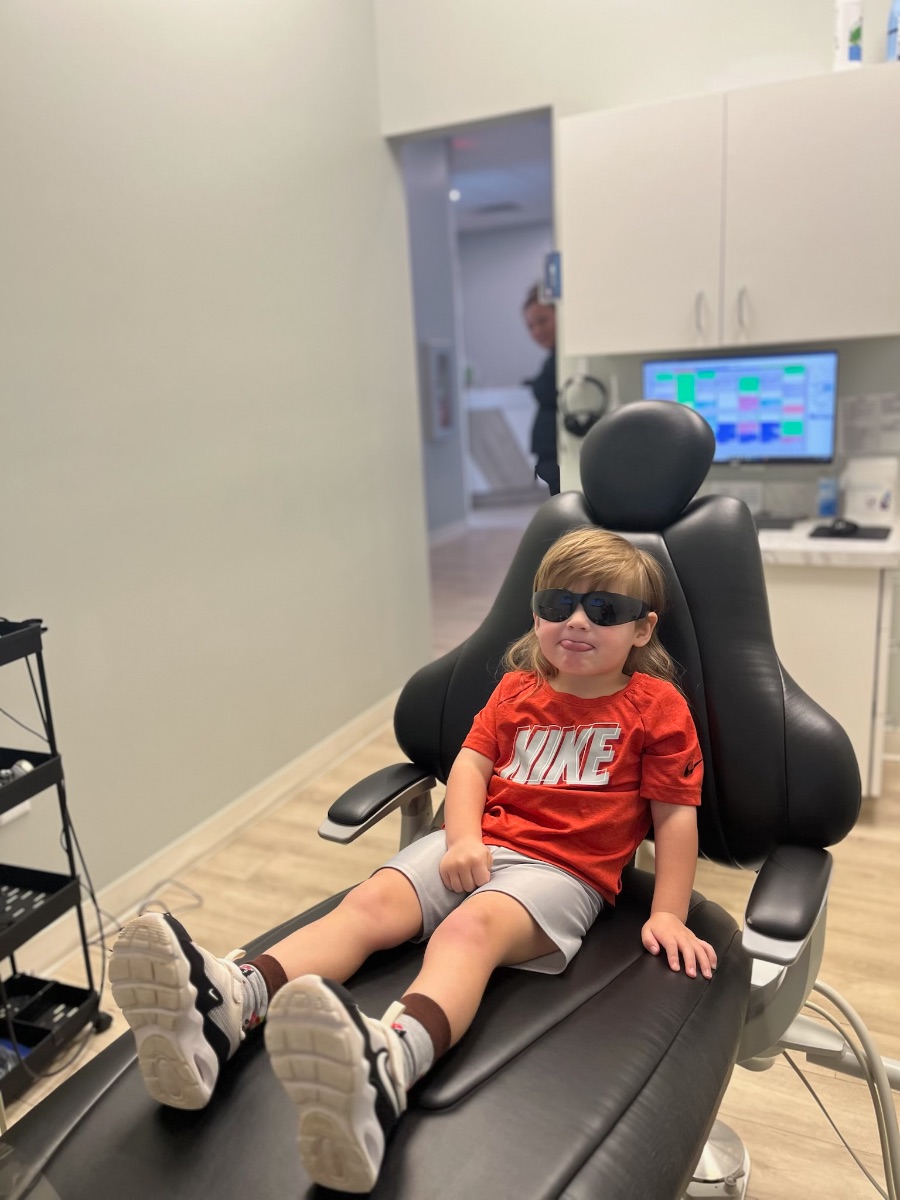
Shades on, ready for a checkup.
-
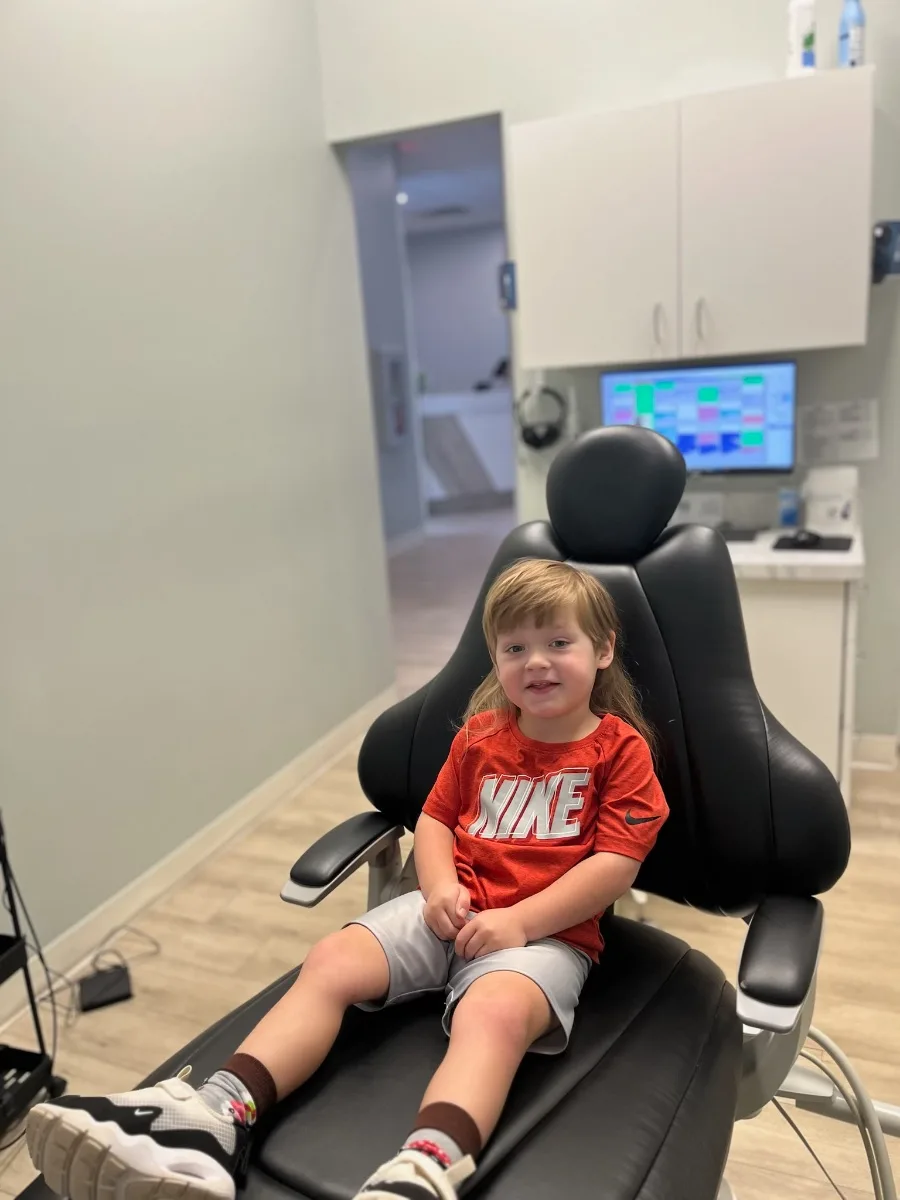
Settled into the big chair like he owns the place.
“My son was treated with care. Dr. G was awesome.”
“Very friendly staff. My son Joseph was treated with care. Dr. G was awesome. I would recommend to anyone!”— Jamie
“I bring my entire family here — four kids and my husband too.”
“I bring my entire family here — four kids and my husband too. Every visit is excellent. Both doctors are wonderful with patients of all ages. No long waits. Honest billing. The best dental office in Mobile!”— Hilda M.
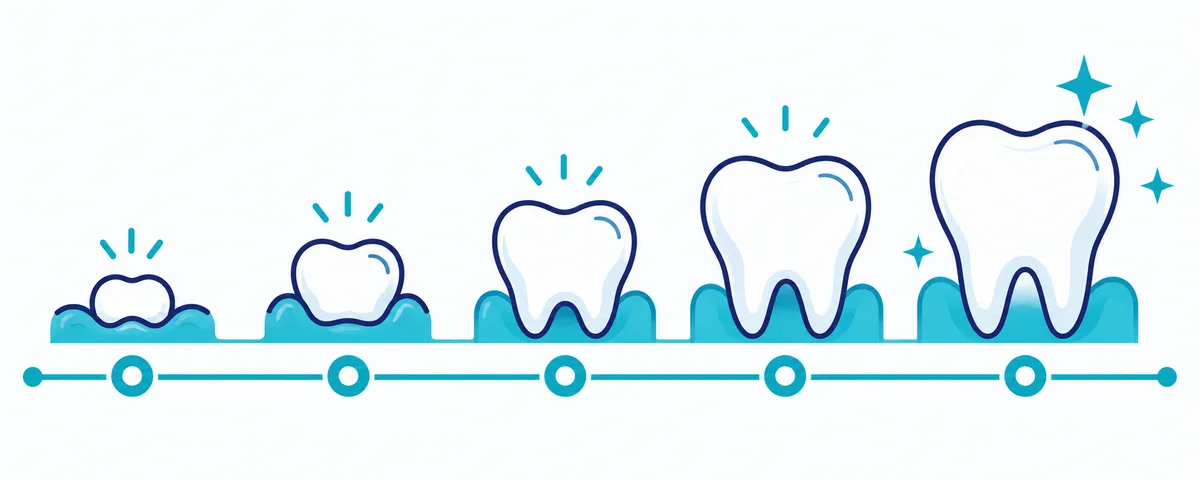
- ~6 months — first baby teeth appear (usually lower front).
- 1–3 years — the full set of 20 baby teeth comes in.
- ~6 years — first permanent molars and front teeth start to replace baby teeth.
- 12–13 years — most permanent teeth are in place.
Pediatric Specialist
A pediatric dentist (pedodontist) has completed two to three additional years of specialty training focused exclusively on children's oral health, including children with complex medical, developmental, or behavioral needs.
A referral to a pediatric specialist makes sense for children with significant anxiety that doesn't respond to gentle care, complex medical conditions, or treatment needs that go beyond routine preventive and restorative dentistry.
General Dentist
Dr. Gegzna and Dr. Shipp are general dentists trained and equipped to care for your entire family — from a toddler's first tooth to adult restorations. They have years of experience making children feel comfortable, and they genuinely enjoy it.
For the vast majority of healthy children, a warm, attentive general dentist is all they need. If your child ever requires specialist-level care, we'll give you a trusted referral.
Learn More About Children's Dentistry
What to expect at your child's first visit and how to protect their teeth from the start.
Why Your Child's First Dental Visit Matters
The AAP recommends a first visit by age one — here's what to expect and how to make it a positive experience.
Read Article →Silver Diamine Fluoride: A No-Drill Way to Stop Cavities
SDF stops cavities without drilling. Who it's great for, the black-stain trade-off, and how SMART fillings work.
Read Article →Best Age for Kids' First Dental Visit
When kids should first see a dentist in Mobile, AL, what to expect, and how to find a kid-friendly practice.
Read Article →Frequently Asked Questions About Children's Dentistry
We recommend the first visit by age one, or within six months of the first tooth erupting. Starting early allows us to monitor dental development, catch any early decay in baby teeth, and help your child build a positive relationship with dental care from the beginning. Early visits are short, gentle, and low-key.
For very young children, the first visit is mostly a gentle introduction — we count their teeth, check how things are coming in, look for any early concerns, and talk with you about brushing, diet, and what to expect as they grow. For older kids we'll do a full exam, take any necessary X-rays, and clean their teeth. We'll always walk you through what we find before we recommend anything.
Yes — very much. Baby teeth hold space for permanent teeth and guide them into proper position. Losing a baby tooth too early due to decay can cause neighboring teeth to shift, creating crowding problems later. Cavities in baby teeth can also cause pain and infection. And building good dental habits early sets children up for a lifetime of healthier smiles.
Most children benefit from a cleaning and exam every six months. Children who are cavity-prone or have other risk factors may benefit from more frequent visits. At your child's first appointment, we'll assess their current dental health and recommend the right schedule for them specifically.
X-rays for children are taken as needed based on their age, risk level, and dental history — not on a fixed schedule. Our digital X-ray system uses significantly less radiation than traditional film. We'll only take X-rays when they provide information we can't get from a visual exam alone, such as checking for cavities between teeth or monitoring the development of permanent teeth.
Yes. Fluoride has been studied extensively for decades and is one of the most effective tools we have for preventing cavities. It strengthens tooth enamel and helps teeth resist the acid produced by bacteria. The amount used in dental treatment and community water supplies is carefully regulated and well within safe limits. Like anything, excessive amounts aren't good — but at the levels used in dentistry and public water, fluoride is safe and beneficial. If you have specific concerns, we're happy to talk through them at your visit.
Sealants are a thin protective coating applied to the chewing surfaces of the back teeth — the spots where cavities are most likely to develop. They're one of the most effective preventive tools we have for kids, especially once the permanent molars come in around age 6 and 12. We'll let you know if your child is a good candidate at their exam.
We see a lot of kids who've had a bad experience somewhere else or who are just nervous about something new. We go slow, explain everything before we do it, and never force a child through something they're not ready for. Our goal for a first visit is just to make it a good experience — that matters more than getting everything done in one appointment. Most kids leave in a much better mood than they arrived.
Usually yes. Baby teeth hold space for permanent teeth and help your child chew and speak properly. An untreated cavity can spread, cause pain, lead to infection, and affect the developing permanent tooth underneath. The timing depends on how deep the cavity is and how soon the tooth is expected to fall out naturally — we'll walk you through the options.
Yes — any contact sport or activity with a risk of falls or collisions puts teeth at risk. A custom-fitted mouthguard from our office offers much better protection than a store-bought boil-and-bite. If your child plays football, basketball, soccer, wrestling, martial arts, or similar sports, ask us about a mouthguard at their next visit.
Most orthodontists recommend a first evaluation around age seven, when enough permanent teeth are in for an orthodontist to assess jaw growth and tooth alignment. During your child's regular exams, we monitor their bite and tooth development and will let you know if we think an orthodontic consultation makes sense. We're happy to provide a referral when the time comes.
Most children naturally stop between ages 2 and 4. If the habit continues past age 4, it can start to affect how the teeth and jaw develop — particularly causing an open bite or narrow palate. We'll monitor this at your child's visits and let you know if we're seeing any changes. There's no need to stress about it before age 4.
No — they are general dentists who welcome patients of all ages, including children. Pediatric dentists complete specialty training focused exclusively on kids' dental care. While Dr. Gegzna and Dr. Shipp don't have that specialty designation, they have extensive experience treating children and genuinely enjoy it. They are the right fit for most healthy children. If your child ever needs a level of specialized care that goes beyond what a general dentist provides, we will refer you to a trusted pediatric specialist.
Silver Diamine Fluoride is a liquid we apply directly to a cavity to stop it from progressing. It's quick, painless, and doesn't require drilling or anesthesia — which makes it a great option for young children, anxious patients, or situations where a cavity needs to be stabilized before it can be properly restored. One thing to know upfront: SDF turns the decayed area black. The black is the arrested decay — it means it's working. Healthy tooth structure doesn't change color. We always warn parents before we use it so nobody is surprised at home, but it can be startling if you're not expecting it.
Curodont Repair is a treatment that uses a biomimetic peptide to help remineralize early cavities — essentially encouraging the tooth to repair itself before a filling is needed. We use it on small, early lesions that haven't fully broken through the enamel yet. It's painless, takes just a few minutes, and can sometimes help us avoid drilling altogether. Not every cavity qualifies, but when we catch decay early enough it's a great option to try first.
Yes — we accept BCBS and the Alabama Children's Health Insurance Program (CHIP / ALL Kids) for pediatric patients. We do not currently accept Medicaid. If you are unsure whether your child's plan is accepted, call us at (251) 308-0584 and we will verify your benefits before your appointment.
Children's Dentistry Near You in Mobile, AL
Rabbit Creek Dental is located in Tillman's Corner and is easy to reach from communities throughout southwest Mobile County — great for busy families juggling school and work schedules.
Tillman's Corner
Our home — right off Rangeline Road
West Mobile
Minutes away via Airport Blvd
Semmes
Easy access via Highway 98
Theodore
A short drive south on Rangeline
Grand Bay
Serving the Grand Bay community
Saraland & Chickasaw
North Mobile County patients welcome
5000 Rangeline Xing Dr S Suite D, Mobile, AL 36619 | (251) 308-0584
More Services for the Whole Family
Dental Cleanings & Exams
Routine cleanings and comprehensive exams for patients of all ages — the easiest way to catch small problems before they become bigger ones.
General Dentistry
Fillings, crowns, root canals, extractions, and more — complete care for the whole family in one place.
Emergency Dentistry
Knocked-out tooth, broken tooth, or dental pain? Call us as early as possible during office hours.
“My whole family comes here now. Kids, adults, everyone loves it.”
“My whole family comes here now. Kids, adults, everyone loves it. Never a long wait, always friendly, clean office. Hygienists are all wonderful. Dr. Gegzna is fantastic with kids too!”— Donna E.
Bring the Whole Family to Rabbit Creek Dental
We're accepting new patients of all ages — from babies and toddlers to teens, adults, and grandparents. Call us or request an appointment online — we'd love to meet your family.