
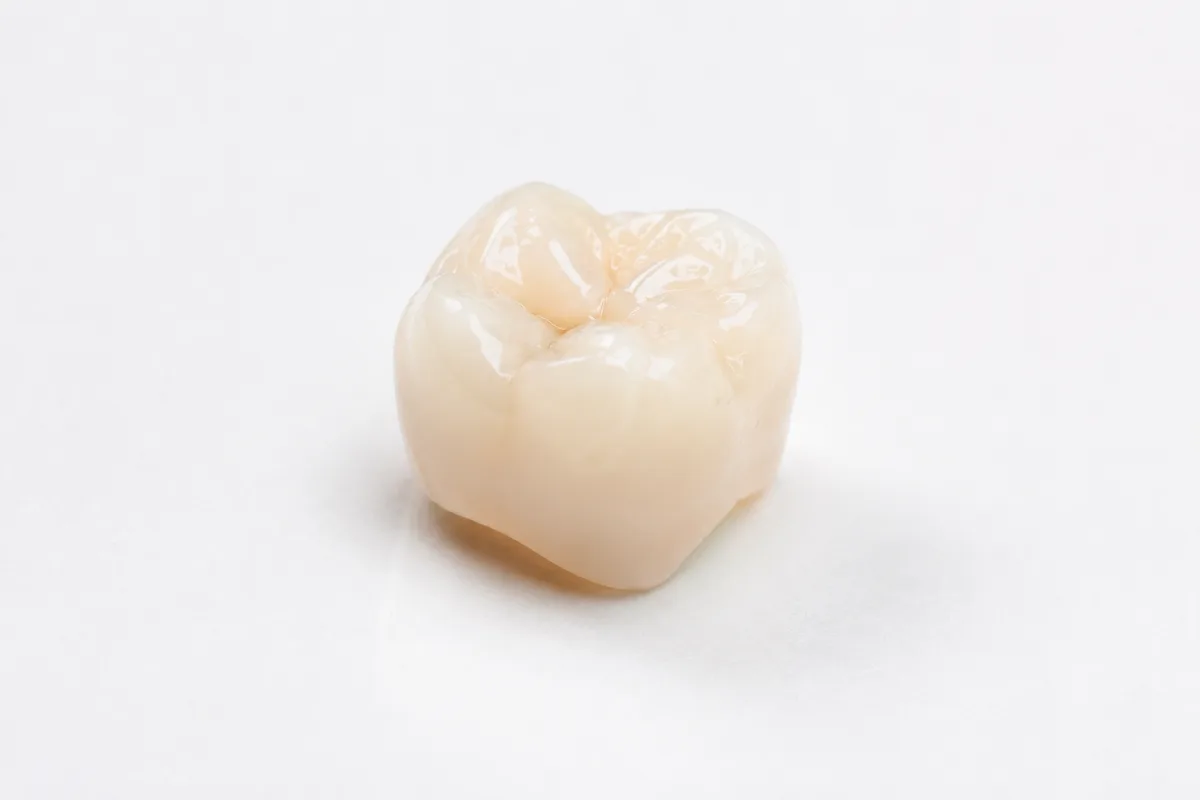
- Don't panic — a fallen crown is a common situation and your tooth can be protected quickly.
- Find the crown and rinse it gently with water. Inspect it — look for cracks or decay inside.
- Temporarily recement it using dental cement (sold at pharmacies), denture adhesive, or even a small amount of toothpaste to hold it in place.
- Avoid sticky, crunchy, or hard foods and don't chew on that side.
- Call us at (251) 308-0584 — a lost crown needs professional attention within a day or two, or sooner if you have pain.
Your dental crown fell out — and now you're not sure what to do with it. Take a breath. A crown falling out is one of the most common dental situations we see in Mobile, AL, and in most cases it can be fixed quickly.
First: take a breath. A fallen crown is one of the most common dental situations I see, and in many cases the crown can simply be recleaned and recemented. But the exposed tooth underneath is vulnerable, and time does matter — so let's walk through exactly what to do.
Step 1: Find and Inspect the Crown
Pick up the crown carefully and rinse it with water. Look inside it: if there is a significant amount of dark material, crumbled tooth structure, or visible decay — the crown fell off because the tooth underneath has changed, and we'll need to address that before recementation.
If the crown looks intact and clean inside, there's a good chance we can recement it at your appointment.
Step 2: Protect the Exposed Tooth
The tooth under a crown has been shaped down — it's thinner and more sensitive than a normal tooth, and without the crown protecting it, it's exposed to bacteria, temperature, and pressure.
Your best temporary option is dental cement from a pharmacy (brands like Dentemp or Recapit). Follow the package directions to temporarily seat the crown back over the tooth. Denture adhesive or even a small amount of toothpaste can also work as a very short-term placeholder.
Super glue is not safe for use in the mouth, can cause chemical burns to soft tissue, and will make it much harder for us to properly recement the crown. Use only dental-grade products or see us promptly.
Step 3: Avoid Making It Worse
Until your appointment:
- Avoid chewing on the affected side
- Skip sticky foods (caramel, gum, chewy candy) that could pull the temporary cement off
- Avoid very hot or cold foods that will increase sensitivity
- Be gentle when brushing around the area
Step 4: Call Us
A loose or missing crown needs to be seen within a day or two — or sooner if you're experiencing pain, significant sensitivity, or can't temporarily reprotect the tooth. Call us at (251) 308-0584.
Why Do Crowns Fall Off?
Crowns don't just fall off randomly. When a crown comes off, there's usually an underlying reason:
- Cement failure: The dental cement that bonds the crown can break down over time, especially with age or repeated stress.
- Decay under the crown: If bacteria have gotten between the crown and tooth, the tooth structure underneath may have deteriorated — meaning the crown no longer fits tightly.
- Physical damage: Biting something unexpectedly hard, trauma, or grinding your teeth can dislodge a crown.
- Crown age: Most crowns last 10–15 years with proper care. Older crowns are more susceptible to cement failure or margin breakdown.
What to Expect at Your Appointment
When you come in, we'll take an X-ray to check the tooth underneath. If the tooth and the crown are both in good shape, we'll clean both surfaces and recement the crown — often in a single visit. If there's decay, damage to the underlying tooth, or problems with the crown itself, we'll discuss the best path forward — which may involve a new crown or additional treatment. You can learn more about what crowns involve and what to expect on our dental crowns in Mobile, AL page.
Ready to schedule your visit?
FAQ: Lost Crown Questions
It depends. If you're in significant pain, there's visible damage to the tooth underneath, or you can't protect the exposed tooth, call us for same-day care. If the situation is manageable — you've temporarily recemented the crown and have no significant pain — it's typically okay to wait a day or two for an appointment. When in doubt, call and we'll help you assess the urgency.
Often, yes — if the crown is intact and there's no decay or significant change to the underlying tooth, we can clean both surfaces and recement the original crown. Bring it to your appointment in a small container or zip-lock bag.
Swallowing a crown is generally not dangerous — it will typically pass without issue. However, if you think you inhaled it into your airway (rather than swallowed), seek medical attention immediately. Call us so we can assess the exposed tooth and discuss whether fabricating a new crown is needed.
Recementation is significantly less expensive than a new crown. If a new crown is needed, costs vary depending on material and complexity — we'll give you a clear estimate before any work begins. We accept most dental insurance and offer financing through Cherry for out-of-pocket costs.
Dr. Joseph Gegzna, DMD is the founder and lead dentist at Rabbit Creek Dental in Mobile, Alabama. He earned his Doctor of Dental Medicine degree from the University of Louisville School of Dentistry and has been a licensed dentist in Alabama since 2014, with more than 12 years of experience in general, restorative, and implant dentistry. After several years practicing as an associate, he founded Rabbit Creek Dental in 2022 to build the kind of patient-first practice he believed in. He has completed advanced implant training through a 92-hour Implant Pathway program with live patient surgery and additional surgical training in impacted third molar extractions through the Koerner Center for Surgical Instruction. He is a member of the American Dental Association and is currently in his third year of the Bulletproof Dental Mastermind program, a continuing education group focused on delivering an exceptional patient experience. Before dentistry, Dr. Gegzna was a licensed pilot, bringing a calm, detail-oriented approach to patient care. Rabbit Creek Dental serves families throughout Mobile.
This article is for educational purposes only and does not constitute medical advice. For personalized guidance about your dental health, please contact our office at (251) 308-0584.