
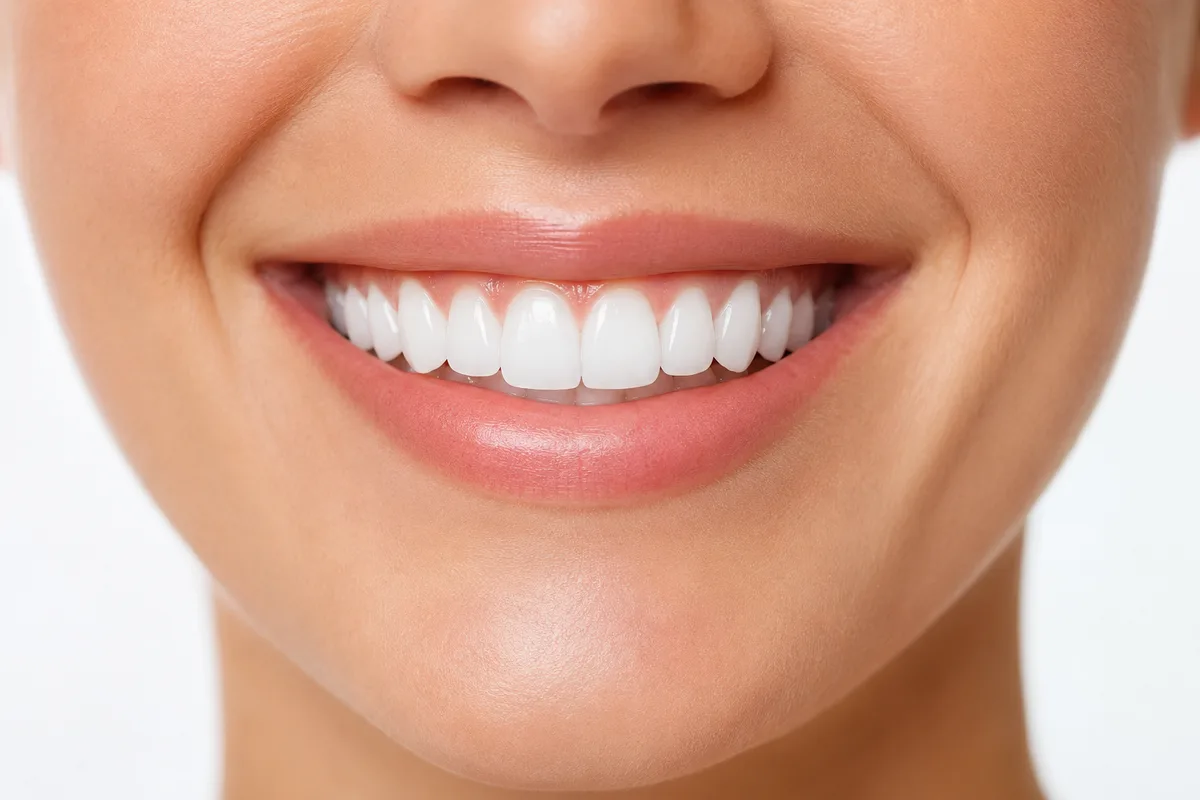
Cosmetic dentistry can improve the way your smile looks, but it should still make sense for your mouth.
I do not believe in pushing people into cosmetic treatment they do not need. I believe in looking at the teeth first, talking honestly about the goal, and choosing the simplest option that can do the job well.
Sometimes people come in thinking they need veneers when whitening and bonding may be enough. Other times a tooth that looks cosmetic on the surface actually has a crack, an old filling, or bite problems underneath it.
A healthy smile still has to work. It still has to chew. It still needs healthy gums and teeth that can handle everyday life.
What Is Cosmetic Dentistry?
Cosmetic dentistry focuses on improving the appearance of your smile — color, shape, spacing, worn edges, chipped teeth, or old dental work that no longer matches.
Before we talk about cosmetic work, we need to make sure the foundation is healthy.
I tell patients this all the time: you do not hang curtains if your roof is leaking.
The teeth and gums need to be healthy first. If somebody has cavities, gum disease, infections, broken teeth, or pain, those problems usually need attention before cosmetic treatment. Cosmetic work looks better and lasts longer when the foundation underneath it is healthy and stable.
Teeth Whitening
Whitening is one of the simplest ways to improve a smile. It works best on natural teeth with stains from coffee, tea, tobacco, dark drinks, or normal aging.
One thing that surprises people: whitening does not change the color of crowns, veneers, fillings, or bonding. It only works on natural tooth structure.
That is why planning matters. Sometimes whitening is the perfect first step. Other times we need to talk about old dental work first so things still match afterward.
Most people do not want "perfect white" teeth — they just want their smile to look cleaner, brighter, and healthier without looking fake. Honestly, that usually gives the best result anyway.
Veneers
Veneers are thin porcelain covers placed over the front of teeth. They can improve color, shape, spacing, worn edges, and some minor alignment issues.
Veneers can look very natural and very nice, but they are a bigger commitment than whitening or bonding. Some tooth structure may need to be adjusted. Veneers also require maintenance over time — they can chip, wear, or eventually need replacement like other dental work.
That does not mean veneers are bad. It means patients should understand the full picture before starting. How many teeth are involved? What shade looks natural? How does the bite fit together? Do you grind your teeth at night? What happens years from now if one needs repair?
I would rather somebody fully understand the plan before doing cosmetic work than feel pressured into making a quick decision.
Bonding
Bonding uses tooth-colored material to repair or improve a tooth. It works well for small chips, rough edges, small gaps, or teeth that look slightly uneven.
One chipped corner on a front tooth? A rough edge from an old accident? A small gap that bothers you in photos? Bonding may handle that without needing veneers. It is also usually less expensive.
But bonding is not magic. It can stain over time with coffee, red wine, or tobacco. It can chip if somebody bites ice, chews on pens, grinds their teeth, or uses their front teeth like tools — I see that one a lot.
Bonding works best when expectations are realistic and the bite is healthy.
Cosmetic Crowns
A crown covers the entire tooth. Sometimes a crown is recommended because a tooth needs both strength and a better appearance.
If a front tooth has a large filling, deep crack, dark discoloration, or significant damage, a crown may hold up better long-term than bonding alone. At that point the conversation is not just cosmetic anymore — it is also about support.
How much healthy tooth structure is left? How strong does the tooth need to be? What kind of pressure does that tooth handle when you bite? A crown should look good, but it also needs to survive everyday chewing.
How to Choose the Right Option
Most people do not walk in knowing exactly what treatment they need. That is normal.
Usually they just know what bothers them — one tooth that looks darker than the others, a chip they notice in every photo, old dental work that no longer matches, or edges that look worn down.
That is where the conversation starts. Then we look at the teeth, the bite, the gums, the habits, and the long-term picture. My job is to help connect what bothers you with what makes clinical sense.
Learn more about our approach on our cosmetic dentistry page.
Ready to schedule your visit?
A Good Smile Plan Does Not Have to Start Big
A lot of people think cosmetic dentistry means doing everything all at once. Usually it does not.
Sometimes the best plan is simple:
- A cleaning
- Whitening
- Replacing one old filling
- Smoothing a chipped edge
- Fixing one tooth that bothers you
Small changes can make a very noticeable difference. And honestly, not every smile needs to look identical to everybody else's. A natural smile can still be a very good smile.
The goal is not to make you look like someone else. The goal is to help your smile look healthy, balanced, and like you.
Your Bite Still Matters
Cosmetic dentistry should never ignore how the teeth fit together. If the bite is too heavy on one tooth, bonding or veneers may chip faster. If somebody grinds their teeth at night, cosmetic work may need extra protection with a nightguard.
Patients sometimes think a chip happened randomly, but the bigger issue is usually the bite hitting too hard in one area over and over again. That is why an exam matters before cosmetic treatment.
A smile upgrade should look good, but it also needs to work when you chew, talk, and live your normal life.
Frequently Asked Questions
For many people, whitening is the easiest first step. But it depends on your goals, your existing dental work, and the overall health of your teeth.
The process is usually comfortable. Some patients need numbing depending on the treatment plan, and we explain everything before starting.
No dental work lasts forever. Bonding can last for years, but it may eventually chip, stain, or need repair.
No. Whitening only changes natural tooth structure. It does not change crowns, veneers, fillings, or bonding.
That is what the consultation is for. We look at your teeth, listen to your goals, and explain the options in plain language without pressure.

Dr. Joseph Gegzna, DMD is the founder and lead dentist at Rabbit Creek Dental in Mobile, Alabama. He earned his Doctor of Dental Medicine degree from the University of Louisville School of Dentistry and has been a licensed dentist in Alabama since 2014, with more than 12 years of experience in general, restorative, and implant dentistry. After several years practicing as an associate, he founded Rabbit Creek Dental in 2022 to build the kind of patient-first practice he believed in. He has completed advanced implant training through a 92-hour Implant Pathway program with live patient surgery and additional surgical training in impacted third molar extractions through the Koerner Center for Surgical Instruction. He is a member of the American Dental Association and is currently in his third year of the Bulletproof Dental Mastermind program, a continuing education group focused on delivering an exceptional patient experience. Before dentistry, Dr. Gegzna was a licensed pilot, bringing a calm, detail-oriented approach to patient care. Rabbit Creek Dental serves families throughout Mobile.
This article is for educational purposes only and does not constitute medical advice. For personalized guidance about your dental health, please contact our office at (251) 308-0584.