
Cosmetic Dentistry in Mobile, Alabama
Most patients who ask about cosmetic work have had something in mind for years — a chip that's always bothered them, discoloration they've learned to hide, or teeth they've felt self-conscious about for a long time. We start by finding out what's bothering you and whether there's a realistic fix.
What Are You Actually Trying to Fix?
Cosmetic dentistry isn't just about appearance — it's about how you feel when you smile, laugh, and speak without hesitation. At Rabbit Creek Dental, our cosmetic services are grounded in healthy dentistry first. Every smile transformation begins our approach to cosmetic dentistry with a thorough exam to ensure your underlying oral health is strong.
Whether you want to brighten stained teeth or completely redesign your smile with veneers, we'll help you understand every option and set realistic expectations.
“Used to be embarrassed to smile — no longer am.”
“Best dental office I've ever went to very friendly environment take care of all your needs along the way and do great work used to be embarrassed to smile no longer am since my visits to Rabbit Creek Dental.”— Nathan B.
Professional Teeth Whitening
Over-the-counter whitening strips can take weeks and deliver uneven results. Professional whitening at Rabbit Creek Dental uses stronger, carefully controlled whitening agents to deliver noticeably brighter results — safely and in less time.
Take-Home Whitening Trays
Custom-fitted trays made from a digital impression of your teeth deliver whitening gel precisely to every surface. Use them at home on your own schedule — and keep them for touch-ups anytime.
Is Whitening Right for You?
Whitening is most effective on natural tooth enamel stained by coffee, tea, wine, or tobacco. Crowns, veneers, and some types of discoloration don't respond to whitening — we'll let you know whether it's likely to give you the results you want.
Book Online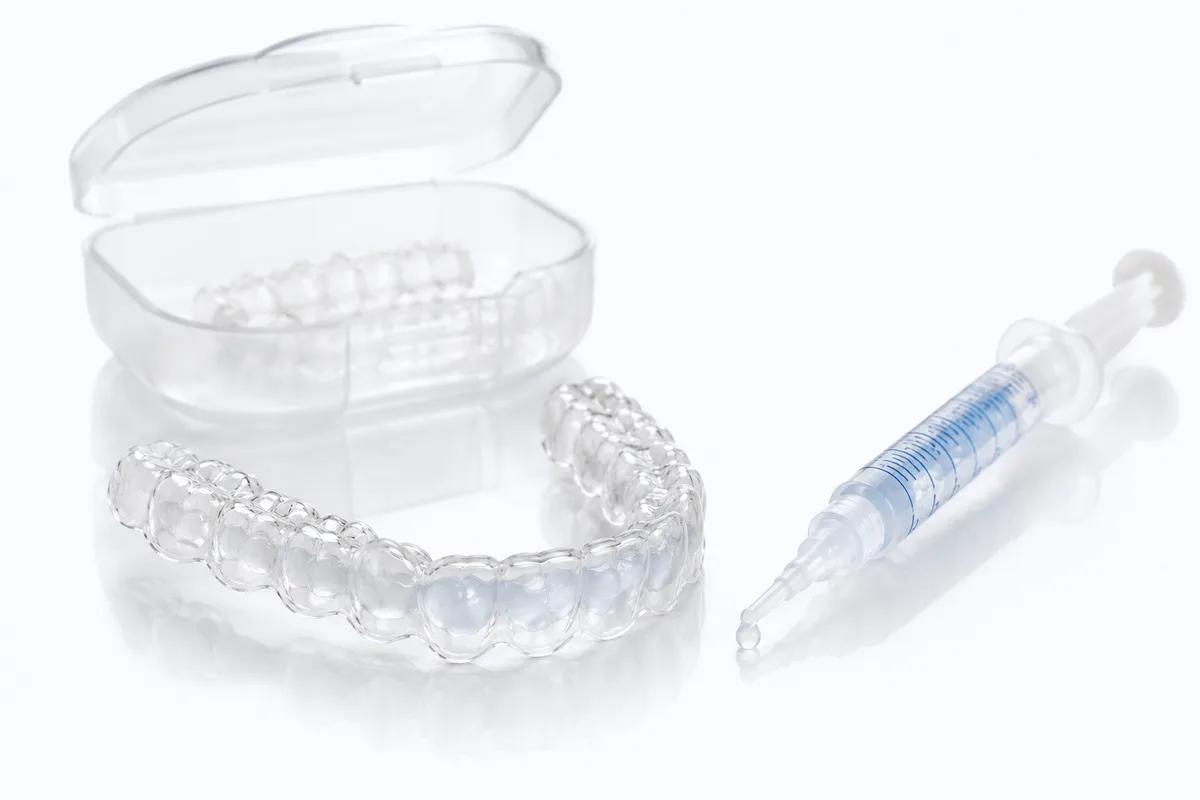
Porcelain Veneers
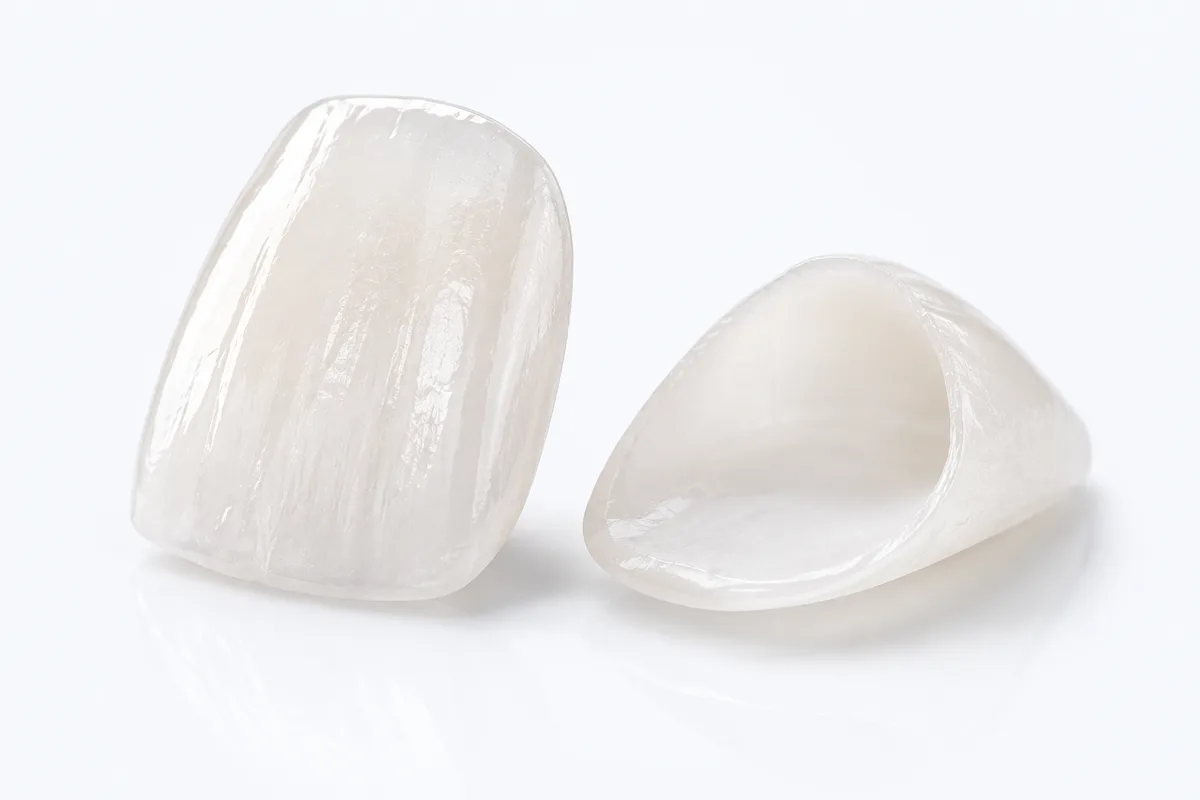
Veneers are ultra-thin shells of dental porcelain bonded to the front surface of teeth to create a dramatically improved smile. They can address multiple concerns at once — chips, cracks, gaps, permanent staining, and slight misalignment.
Each set of veneers is custom-crafted to match the shape, size, and shade that looks most natural and beautiful for your face and features.
The Veneer Process
- Comprehensive consultation and smile design discussion
- Minimal tooth preparation and digital impressions
- Temporary veneers placed while your custom set is crafted
- Final veneer placement and bite adjustment
“The work done on my teeth are magnificent.”
“The dental office and staff are very sweet and professional. The work done so far on my teeth are magnificent. Feel like I've known each and everyone forever, that's how comfortable they make you feel.”— Temeka S.
Clear Aligners
Clear aligners gradually straighten teeth using a series of removable, custom-fitted trays that fit more discreetly into daily life than traditional braces. Because the trays are removable, you can eat, brush, and floss without restriction.
Treatment is planned digitally — we take a precise intraoral scan and can show you a projected preview of your results before you start. Most cases are completed in 6–18 months depending on complexity.
Are Clear Aligners Right for You?
Aligners work well for mild to moderate crowding, spacing, and bite issues. If your case requires more complex tooth movement, we'll tell you honestly — and discuss alternatives. The best way to find out is a consultation.
Book a Consultation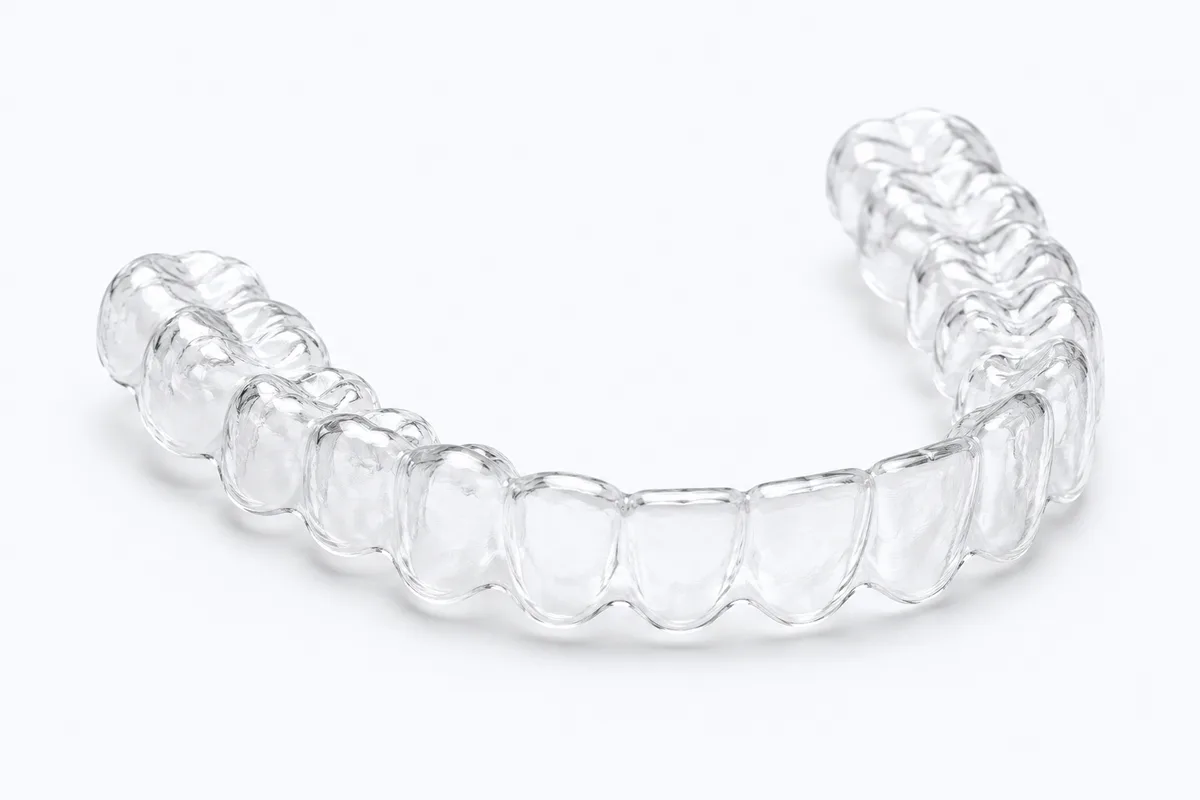
“I left feeling comfortable and confident.”
“Great experience from start to finish! The staff was friendly, the office was clean, and my experience was gentle, thorough, and caring. I left feeling comfortable and confident. 10/10 Highly recommend!”— Kierra O.
“I'm looking forward to seeing what my new smile looks like.”
“I'm looking forward to seeing what my new smile looks like — thank you for the good service, everyone is really nice.”— Cheryl K.
Cosmetic Dentistry FAQs
It starts with an honest conversation about what bothers you and an exam to understand what's actually going on with your teeth. From there we match the simplest effective treatment to your goal. A small chip might need bonding. Discoloration might need whitening. Multiple teeth with shape, size, and color issues might need veneers. We won't recommend the most expensive option when a simpler one will do the job.
A veneer is a thin porcelain shell custom-fabricated by a lab and permanently bonded to the front of the tooth. It requires some removal of tooth structure and takes two appointments. Bonding uses tooth-colored composite resin applied directly to the tooth and shaped by the dentist in one appointment — no lab involved. Bonding is faster and less expensive but less durable and more prone to staining. Veneers last longer and look more natural for complex cases. For small repairs, bonding is often the right choice. For a full smile transformation, veneers usually produce a better long-term result.
With proper care, porcelain veneers typically last 10–20 years. Good oral hygiene, avoiding grinding your teeth (a night guard helps), and protecting them from hard foods all extend their lifespan.
Take-home whitening trays typically what actually works for whitening deliver visible results within 1–2 weeks of daily use. Results vary depending on the degree of staining and individual response. We'll give you an honest expectation based on your specific case.
Cosmetic treatment is not covered by insurance — period. Insurance covers care that is clinically necessary to restore or maintain oral health. Veneers, bonding for purely aesthetic reasons, and whitening are considered elective and receive no coverage. Where it gets complicated is wear and attrition — teeth that have been ground down significantly over time. Even though that's a real clinical problem, many insurance plans still classify treatment as cosmetic and deny it. We'll always check your benefits and give you a clear picture of what will and won't be covered before you commit to anything.
The procedure itself is done under local anesthetic so you won't feel anything during preparation. Some patients have sensitivity afterward for a few days, especially to temperature. Once the permanent veneers are cemented, most patients have no ongoing discomfort. The preparation process does permanently alter the teeth, so it's a commitment — but it's not a painful one.
It depends on your smile line — how many teeth show when you smile naturally. For most patients that's 6–10 upper teeth. Treating fewer can create a visible mismatch between the treated and untreated teeth. We'll show you exactly which teeth are visible in your smile and help you decide how many need treatment to get a result that looks natural and uniform.
Yes, but it needs to be managed carefully. Grinding (bruxism) puts excessive force on teeth and restorations — veneers and bonding can chip or crack if grinding isn't addressed. We'll typically recommend a nightguard to protect cosmetic work. In some cases we need to evaluate and adjust the bite before placing any restorations. Cosmetic work on an unprotected grinder often doesn't last as long as it should.
If you're getting veneers, yes — whiten first. Veneers are color-matched to your existing teeth, so if you whiten after placement your natural teeth will lighten but the veneers won't, creating a mismatch. Whiten first, let the shade stabilize, then we match the veneers to your new color. For bonding the same logic applies — the composite is matched to your current tooth color. Whiten before bonding if you want a brighter result.
Treat it like your natural teeth — brush twice a day, floss daily, and keep your regular cleaning appointments. Avoid biting hard objects like ice, pens, or fingernails. Wear a nightguard if you grind. Bonding can stain over time with coffee, tea, red wine, and tobacco — whitening won't change the color of bonding or veneers so keeping them clean from the start matters. With proper care veneers can last 10–20 years.
Porcelain veneers resist staining well. Composite bonding stains more readily — coffee, tea, red wine, and tobacco will gradually discolor it over time. Whitening does not work on bonding or veneers, so once they stain the options are polishing (which helps with surface stains) or replacement. Patients who smoke or drink a lot of dark beverages should factor that into the decision between bonding and porcelain.
Start Your Smile Transformation
Schedule a cosmetic consultation and we'll walk you through all your options — honestly and without pressure.