
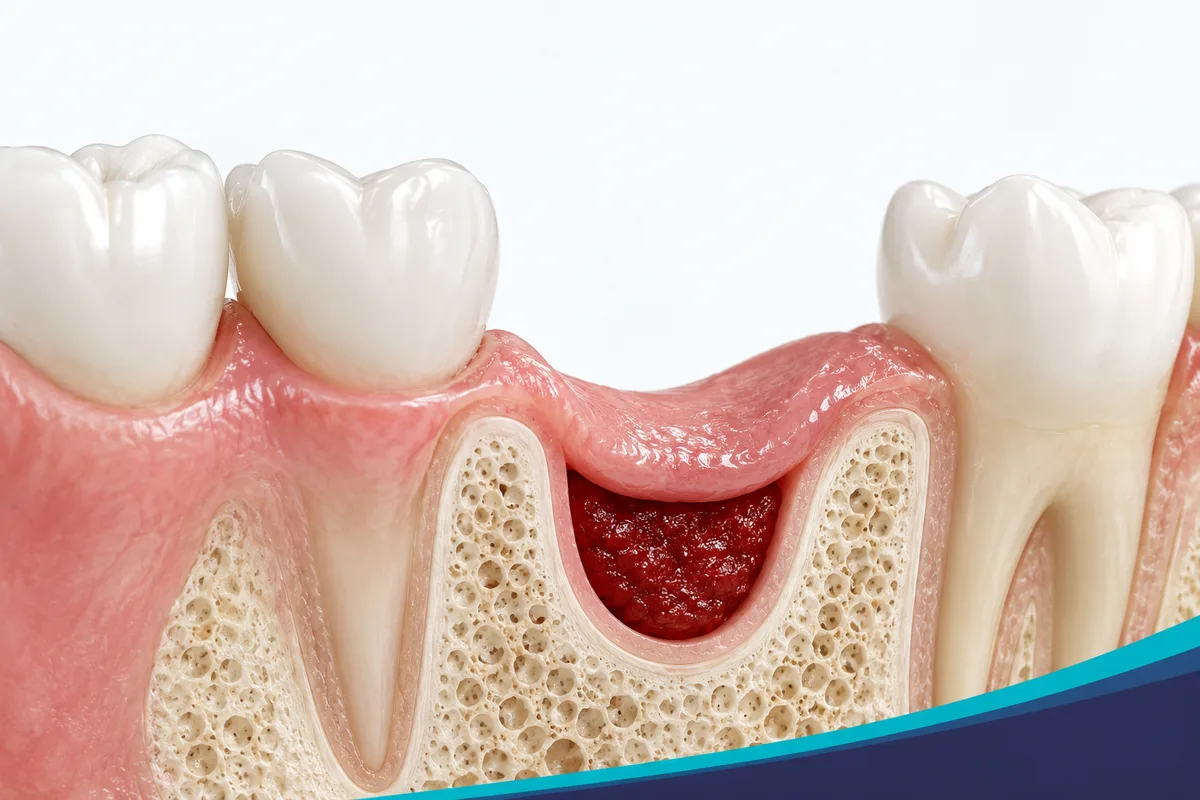
- Bite on gauze for 30 minutes to protect the blood clot — that clot is everything
- Light oozing for the first 24 hours is normal
- No straws, no smoking, no hard foods while you heal
- Call us if pain or swelling isn't improving with your medicine
Getting a tooth extraction is one of the most common things we do here in Mobile — and most patients feel like themselves again within a few days when they follow a few simple steps. Whether Dr. G just took care of you or you're looking for a dentist you can trust for the procedure, you're in the right place. Here's exactly what to expect.
The biggest job you have while you heal is protecting the little blood clot that forms where your tooth was. That clot is the foundation for everything that heals afterward. Here's how to take care of it.
Right After Your Appointment
You'll bite down on gauze for about 30 minutes to help that clot form. For most people, 15–20 minutes does it. Some folks need a little longer, and that's okay. You can grab extra gauze at any pharmacy if you run out. A little oozing is normal for the first 24 hours. It mixes with your spit, so it can look like more than it really is. Don't worry. If it picks back up, just bite on a fresh piece of gauze.
Stitches, Swelling, and Soreness
If you have stitches, they'll usually dissolve and fall out on their own in about 5–7 days. No worries if they come out a little sooner. Use ice for swelling the first day or two. After 2–3 days, you can switch to heat if you feel stiff.
Keeping the Area Clean
Keep brushing your teeth! Just skip the surgery spot for the first three days. After the first 24 hours, you can gently rinse with warm salt water (1 teaspoon of salt in 1 cup of warm water) or a watered-down mouthwash.
Something feel off after your extraction? We'd rather hear from you than have you worry.
Call (251) 308-0584 Book OnlineEating
Stick to soft foods for the first 24 hours. Try to chew on the other side so food doesn't pack into the socket. A few things to skip while you heal:
- Hard, crunchy foods like chips, nuts, and popcorn. They get stuck in the socket easily.
- Straws. The suction can pull your clot loose, and that can cause a painful dry socket.
- Eating while you're still numb. It's easy to bite your lip, cheek, or tongue without feeling it.
Your Medicine
Take any prescriptions just how we tell you. Antibiotics and pain medicine work best with food. If it's safe for you to take Motrin or ibuprofen, you can take it along with your antibiotic and prescription pain medicine for extra relief. One note for women on birth control: some antibiotics can keep it from working as well. Use a backup method while you're taking them.
If Your Sinus Was Involved
Try not to blow your nose. When you sneeze, keep your mouth open instead of closed. An allergy medicine (antihistamine) can help keep sinus pressure from slowing your healing.
Please Hold Off on Smoking
Skip smoking for as long as you can — at least 24–48 hours. The longer you wait, the better you'll heal. Protecting your healing now also keeps your options open if you ever decide to replace the tooth with a dental implant down the road.
Frequently Asked Questions
A little oozing the first 24 hours is normal. Bite on gauze and it should settle down. If you've got heavy bleeding that won't stop, give us a call.
Stick to soft foods the first day, then ease back into your regular meals as it feels comfortable. Just keep food away from the healing spot.
It's when the clot comes loose too early and leaves the bone open underneath. It's painful. You can avoid it by skipping straws and smoking and not spitting hard while you heal.
A little soreness is normal. But if your pain or swelling isn't getting better with your medicine, that's our cue to see you again.
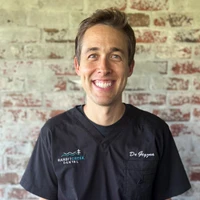
Dr. Joseph Gegzna, DMD is the founder and lead dentist at Rabbit Creek Dental in Mobile, Alabama. He earned his Doctor of Dental Medicine degree from the University of Louisville School of Dentistry and has been a licensed dentist in Alabama since 2014, with more than 12 years of experience in general, restorative, and implant dentistry. After several years practicing as an associate, he founded Rabbit Creek Dental in 2022 to build the kind of patient-first practice he believed in. He has completed advanced implant training through a 92-hour Implant Pathway program with live patient surgery and additional surgical training in impacted third molar extractions through the Koerner Center for Surgical Instruction. He is a member of the American Dental Association and is currently in his third year of the Bulletproof Dental Mastermind program, a continuing education group focused on delivering an exceptional patient experience. Before dentistry, Dr. Gegzna was a licensed pilot, bringing a calm, detail-oriented approach to patient care. Rabbit Creek Dental serves families throughout Mobile.
This article is for educational purposes only and does not constitute medical advice. For personalized guidance about your dental health, please contact our office at (251) 308-0584.