
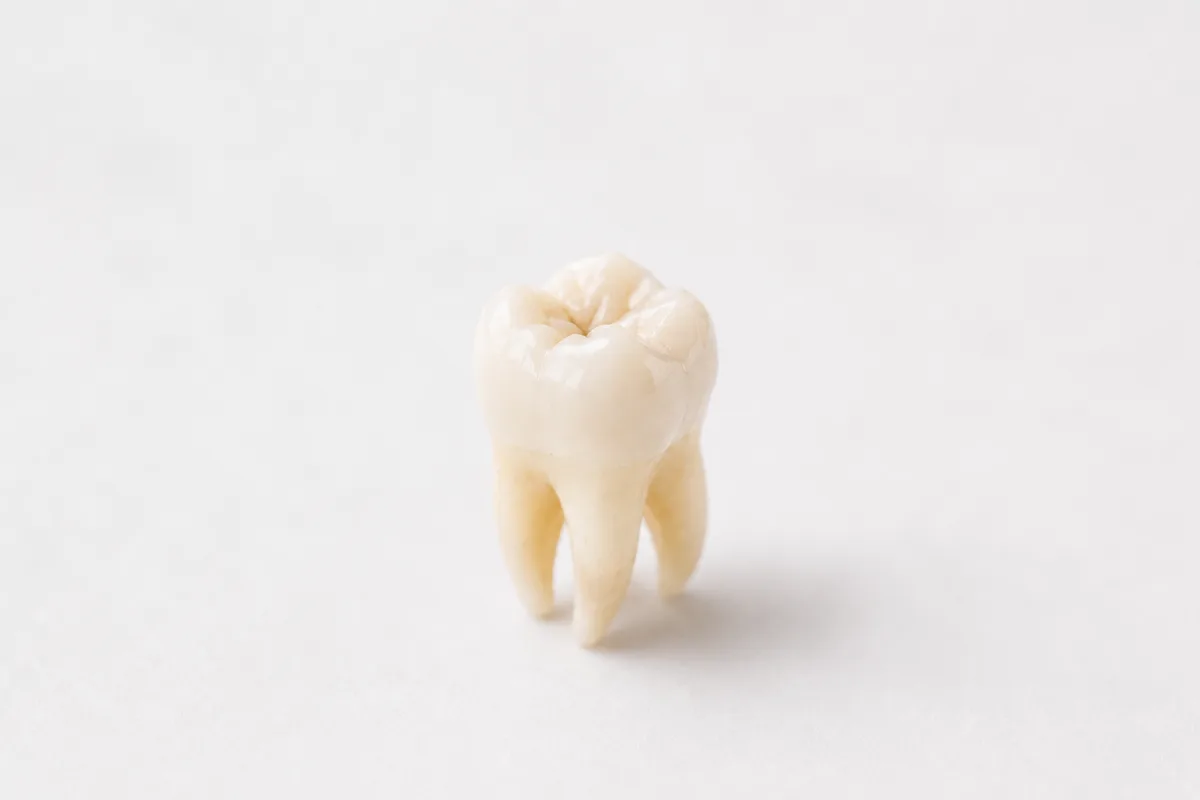
A tooth extraction should not be painful during the procedure. With proper local anesthetic, you will feel pressure and movement — but not pain. Any discomfort experienced during the procedure means we need more anesthetic, and you should tell us immediately. Post-procedure soreness is normal for a few days and manageable with over-the-counter pain relief and the aftercare instructions we provide.
Tooth extraction anxiety is real — and it's almost always rooted in the fear of pain. At Rabbit Creek Dental in Mobile, AL, we hear this concern every week. Patients delay necessary extractions for weeks or months, allowing infections and damage to worsen, when the procedure itself is far more manageable than they expect. Here's exactly what you'll feel — and what you won't.
You will feel pressure — not pain. If at any point something hurts, raise your hand and tell us. We will add more numbing before we continue. Nobody pushes through.
Before the Extraction: The Numbing Process
The only part of an extraction where you might feel a brief, sharp sensation is the initial injection of local anesthetic. We apply a topical numbing gel to the gum first to reduce even that sensation.
After the anesthetic takes effect — which usually takes 2–5 minutes — the area should be completely numb. We test the numbness before proceeding. If you can still feel anything beyond pressure, we add more anesthetic. We do not start until you are fully numb.
For patients with significant dental anxiety, we can discuss additional options such as nitrous oxide (laughing gas), which helps you feel relaxed and at ease throughout the procedure.
During the Extraction: Pressure, Not Pain
Once numb, here is what you will experience:
- Pressure: You will feel the sensation of pressure as I work to loosen and remove the tooth. This is completely normal and does not indicate pain.
- Movement: The tooth needs to be gently rocked in its socket to loosen the ligaments. You'll sense this motion.
- Sound: You may hear some sounds — some patients find this startling. This is normal and expected.
- No sharp pain: You should not feel any sharp, burning, or shooting pain. If you do, raise your hand immediately and we will add more anesthetic before continuing.
Most simple extractions are over in just a few minutes. Surgical extractions take a bit longer depending on complexity, but the same principle applies: pressure and movement, not pain.
After the Extraction: Managing Discomfort
When the anesthetic wears off over the next few hours, some soreness, tenderness, and mild swelling are normal. This is your body beginning the healing process, not a sign that something went wrong.
For most patients, post-extraction discomfort is well-managed with:
- Ibuprofen (Advil, Motrin) taken as directed — this is usually the most effective over-the-counter option because it reduces inflammation as well as pain
- Acetaminophen (Tylenol) alternating with ibuprofen for stronger pain control
- Ice applied to the outside of the cheek in 20-minute cycles for the first 24–48 hours to reduce swelling
- Soft foods and avoiding hard, crunchy, or sticky items for several days
- Avoiding smoking, straws, and spitting forcefully — these can dislodge the blood clot that forms in the socket and cause a painful condition called dry socket
For most patients, discomfort peaks around day 2–3 and then steadily improves. We provide detailed aftercare instructions at your appointment and are always available if you have questions during recovery.
Nervous about your extraction? Dr. G will walk you through it before you commit to anything.
FAQ: Tooth Extraction Pain Questions
Some teeth — particularly infected teeth, which have a lower pH that makes anesthetics slightly less effective — can be harder to fully numb. This is a known challenge in dentistry. We always test before proceeding, use additional anesthetic techniques if needed, and will not continue until you confirm you feel only pressure and no pain. Raise your hand at any point if that changes.
For a simple extraction, most patients feel noticeably better within 3–5 days. Surgical extractions may involve soreness for up to a week. Swelling typically peaks around day 2–3 and then gradually subsides. If pain is worsening after day 3 rather than improving, or if you develop a bad taste or smell from the socket, contact us — this may be a sign of dry socket, which we can treat quickly.
Absolutely. Dental anxiety affects a significant portion of the population, and tooth extractions are one of the most anxiety-producing dental procedures. The best approach is to communicate openly with us — tell us your fears. We can walk you through exactly what will happen, use numbing gel before the injection, offer nitrous oxide for relaxation, and take breaks if you need them. You are in control of the pace.
If you had local anesthetic only (no sedation), you can typically drive yourself home. If you received nitrous oxide (laughing gas), you'll need about 5–10 minutes of recovery and then can generally drive. If you received IV sedation or oral sedation medication, you will need someone to drive you home and should not drive for the remainder of the day. We'll confirm this at your appointment based on what was used.

Dr. Joseph Gegzna, DMD is the founder and lead dentist at Rabbit Creek Dental in Mobile, Alabama. He earned his Doctor of Dental Medicine degree from the University of Louisville School of Dentistry and has been a licensed dentist in Alabama since 2014, with more than 12 years of experience in general, restorative, and implant dentistry. After several years practicing as an associate, he founded Rabbit Creek Dental in 2022 to build the kind of patient-first practice he believed in. He has completed advanced implant training through a 92-hour Implant Pathway program with live patient surgery and additional surgical training in impacted third molar extractions through the Koerner Center for Surgical Instruction. He is a member of the American Dental Association and is currently in his third year of the Bulletproof Dental Mastermind program, a continuing education group focused on delivering an exceptional patient experience. Before dentistry, Dr. Gegzna was a licensed pilot, bringing a calm, detail-oriented approach to patient care. Rabbit Creek Dental serves families throughout Mobile.
This article is for educational purposes only and does not constitute medical advice. For personalized guidance about your dental health, please contact our office at (251) 308-0584.